
Creating a thriving pond for family fishing starts with understanding the needs of its fishy residents. A healthy fish population depends on well-designed habitats that provide food, shelter, and breeding spaces while maintaining the natural balance of the ecosystem. Whether you’re starting fresh or improving an existing pond, this guide will walk you through the importance of fish habitats, how to assess your current setup, and practical steps to create a haven for your fish—ensuring endless family fishing fun for years to come.
Why Fish Habitats Matter: Creating a Healthy Environment for Your Pond
Creating the perfect environment for fish in your family pond is essential for ensuring a thriving, happy population. Fish habitats play a vital role in their health and overall well-being by providing shelter, food, and ideal breeding spaces. By learning about fish habitats, you can make informed decisions to enhance the natural ecosystem of your pond.
Balanced Fish Habitat Improves Water Quality and Supports Aquatic Life
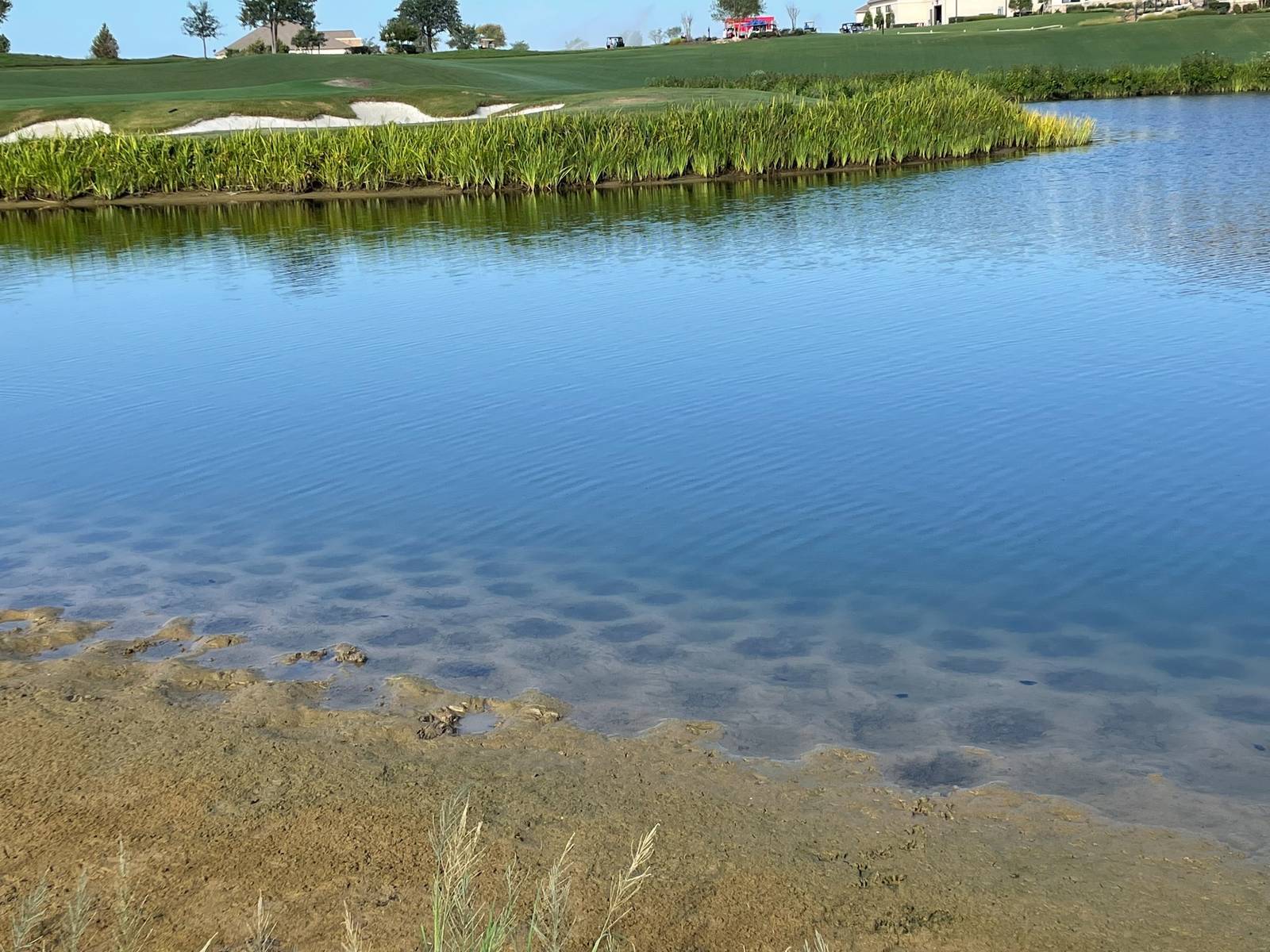
A well-designed fish habitat supports the pond's ecological balance, promoting the growth of aquatic plants that provide oxygen and absorb excess nutrients. These plants also give fish hiding places, helping them feel safe from predators. Additionally, a healthy habitat naturally filters the water, reducing algae blooms and keeping the water clear.
Fish habitats also attract beneficial microorganisms and small organisms like insects, which serve as food for the fish. By fostering these natural processes, you ensure that your fish grow, reproduce, and remain vibrant and healthy.
Assessing Your Pond's Current Fish Habitat
Before diving into habitat improvements, take time to evaluate the state of your pond's current ecosystem. Are there enough plants, sheltering structures, and feeding areas? Observing your fish and their activity patterns can provide clues. Look for signs like spawning beds, hiding spots, and feeding zones.
Assess Pond Fish Health Through Surveys, Water Quality, and Food Sources
You can also conduct a simple fish survey using nets or visual observation to gauge the variety and abundance of fish species in your pond. Understanding their needs—such as preferred water depth, temperature, or hiding spots—helps you design effective habitats.
Additionally, assess natural food sources like insects, smaller fish, and aquatic vegetation. Check the water quality by measuring key factors like oxygen levels, temperature, and pH. These elements directly impact the health and happiness of your fish.
Enhancing Natural Fish Habitats
Improving your pond’s fish habitat is easier than you think! Start by encouraging aquatic plants. Submerged plants, floating varieties, and shoreline plants all play a role in supporting fish by providing food, oxygen, and shelter. Plus, they absorb excess nutrients that might otherwise cause algae problems.
Underwater structures such as logs, rock piles, and fallen branches make excellent hiding and breeding spots for fish. They also provide surfaces where microorganisms grow—offering a valuable snack for your fish!
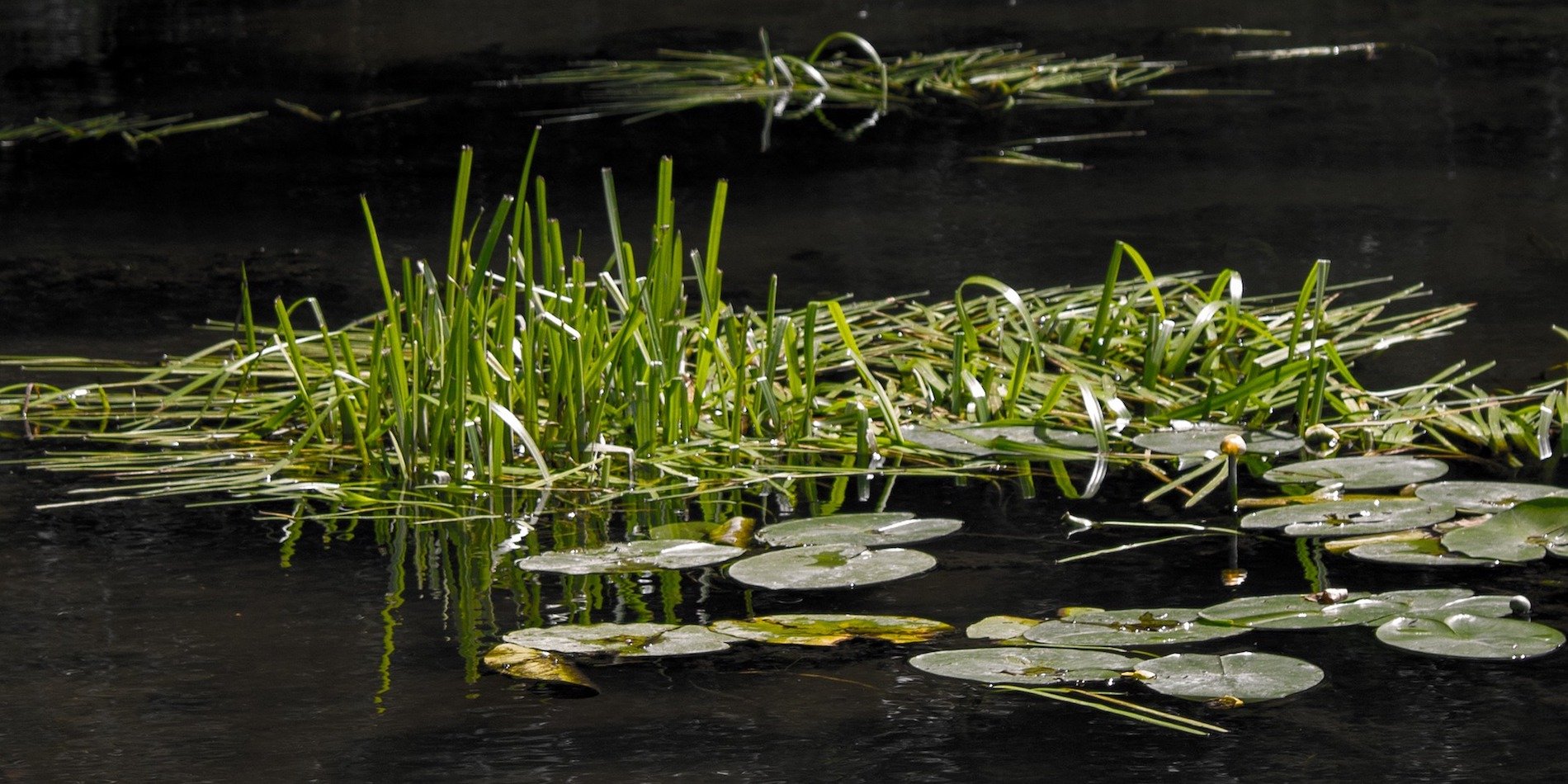
Don’t forget to create areas with gravel or sandy bottoms, which mimic natural spawning beds where fish can safely lay their eggs. These enhancements not only benefit the fish but also promote a balanced and thriving pond ecosystem.
Introducing Artificial Fish Habitats
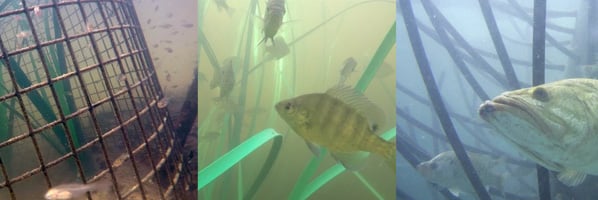
When natural options aren't enough, artificial fish habitats are a great way to boost the living conditions for your pond's fish. Fish attractors, cribs, and shelters are all simple additions that can make a big impact.
- Fish Attractors: Made from plastic pipes, old Christmas trees, or wooden frames, attractors give fish safe spots to gather and hide. They also become sure places to find and catch fish!
Installing Honey Hole Grass Beds are easy! Just toss them in and watch them sink!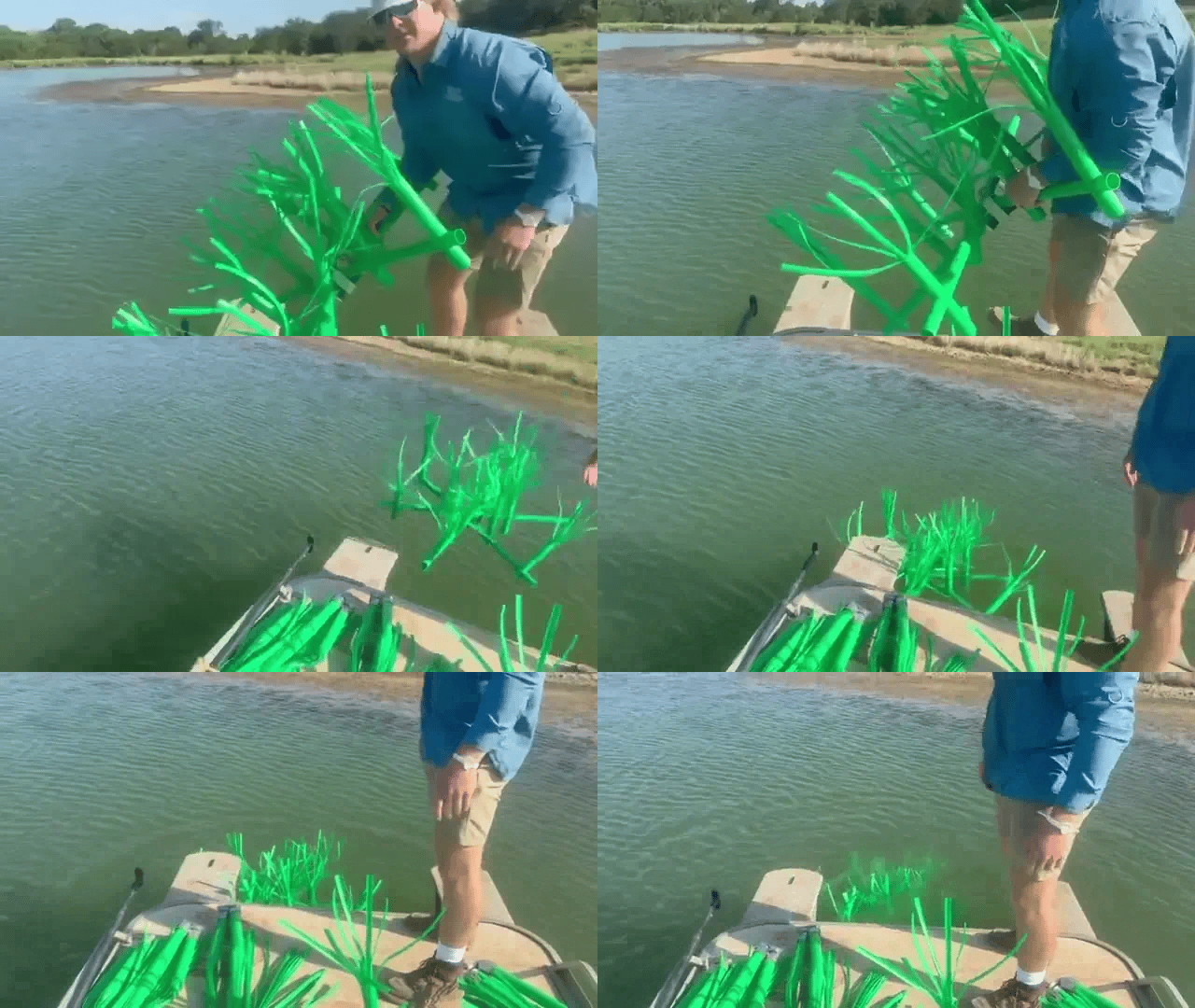
- Fish Cribs: Larger structures like wooden pallets or crates create complex, protective habitats where fish can breed and find food.
- Fish Shelters: Smaller, easy-to-make shelters using pastic pipes or concrete blocks give fish refuge from predators and weather.
These artificial structures are particularly useful in ponds with fewer natural features and can help stabilize your fish population.

Maintaining and Monitoring Your Fish Habitats
Once your fish habitats are established, regular maintenance is key. Remove debris and invasive plants that could disrupt your pond's balance. Keep an eye on water quality by checking temperature, pH, and oxygen levels to ensure they’re optimal for your fish.
Watch for fish behavior like feeding, spawning, or exploring their habitats. Use tools like underwater cameras or simple observation to track activity. If certain areas seem unused, consider adjusting the structures or adding new features.
Fish habitats evolve with time, so periodic monitoring helps you stay ahead of any changes. By committing to maintenance and monitoring, you’ll enjoy a vibrant, lively pond that becomes the perfect fishing spot for your family adventures.
With these tips, your pond will be a flourishing haven for fish—and a favorite gathering place for your family and friends!
Try Pond King's Honey Hole Artificial Fish Habitats for Your Private Lake
Creating a fish pond management plan for the first time can be overwhelming and confusing, but it doesn’t have to be. At Pond King, we are here to help! Call or contact a member of the Pond King team with any questions or needs determining how much habitat is necessary for your lake or pond.
We’ll see y’all down at the pond!